

Embark on a journey to discover the secrets of enhancing your gut health naturally. From understanding the importance of gut health to exploring the impact of diet and lifestyle choices, this guide offers valuable insights to help you optimize your well-being.
As we delve deeper into the realm of gut health, you'll uncover practical tips and expert advice on nurturing your gut microbiome and promoting overall wellness.
Introduction to Gut Health
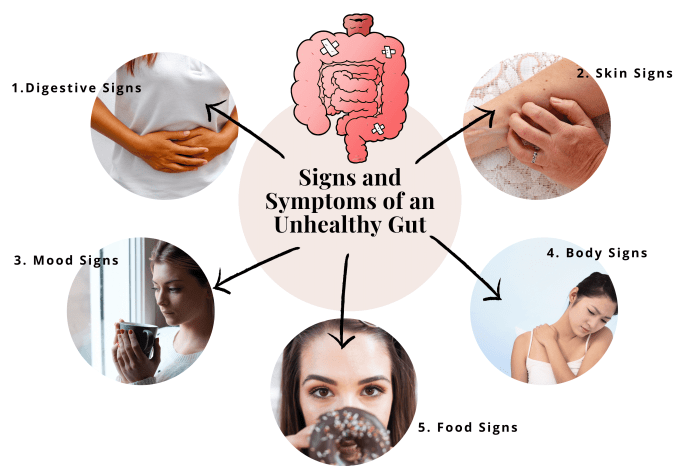
Gut health refers to the balance and function of the gastrointestinal tract, which plays a crucial role in overall well-being. It is essential for digestion, absorption of nutrients, immune function, and even mental health.
The Gut Microbiome and Overall Health
The gut microbiome, a complex community of microorganisms living in the intestines, plays a significant role in maintaining gut health. These microorganisms help digest food, produce essential vitamins, and regulate the immune system.
Factors Affecting Gut Health
Maintaining a healthy gut is crucial for overall well-being. Several factors can negatively impact gut health, including diet, stress, and lack of sleep. Understanding these factors is essential for taking steps to improve and maintain a healthy gut.
Diet and Gut Health
A poor diet high in processed foods, sugars, and unhealthy fats can disrupt the balance of good and bad bacteria in the gut. This imbalance can lead to inflammation, digestive issues, and a weakened immune system. Incorporating a variety of whole foods rich in fiber, prebiotics, and probiotics can help promote a healthy gut microbiome.
Stress and Gut Health
Chronic stress can have a significant impact on gut health. When we are stressed, our body's fight-or-flight response can disrupt digestion and alter the composition of gut bacteria. This can weaken the gut barrier and contribute to inflammation. Finding ways to manage stress, such as through mindfulness practices or exercise, is important for supporting gut health.
Lack of Sleep and Gut Health
Sleep plays a crucial role in overall health, including gut health. Poor sleep habits can disrupt the balance of gut bacteria and increase gut permeability, leading to a condition known as leaky gut. Aim for 7-9 hours of quality sleep each night to support gut health and overall well-being.
Diet and Gut Health
Eating a well-balanced diet plays a crucial role in maintaining a healthy gut. Incorporating certain foods into your daily meals can promote gut health and overall well-being.
Foods that Promote Gut Health
- Probiotic-rich foods such as yogurt, kefir, sauerkraut, and kimchi
- Prebiotic foods like bananas, onions, garlic, and asparagus
- Fiber-rich foods such as whole grains, fruits, and vegetables
- Omega-3 fatty acids found in fatty fish like salmon and mackerel
Benefits of Including Fiber-Rich Foods
Eating fiber-rich foods is essential for gut health as it helps promote regular bowel movements, prevents constipation, and supports the growth of beneficial bacteria in the gut. Fiber also aids in reducing inflammation and maintaining a healthy weight.
Significance of Fermented Foods
Fermented foods are rich in probiotics, which are beneficial bacteria that support gut health. Consuming fermented foods like yogurt, kefir, kombucha, and pickles can help improve digestion, boost the immune system, and reduce inflammation in the gut.
Lifestyle Changes for Better Gut Health
Regular exercise, stress management, and staying hydrated are key lifestyle factors that can significantly impact gut health.
Impact of Regular Exercise on Gut Health
Regular physical activity has been shown to promote a healthy gut microbiome by increasing microbial diversity and reducing inflammation. Exercise can also help regulate bowel movements and improve overall digestion.
- Engaging in moderate-intensity exercise for at least 30 minutes a day can support gut health.
- Aerobic exercises like running, swimming, or cycling are particularly beneficial for promoting gut motility.
- Strength training exercises can also contribute to a healthy gut by supporting muscle mass and metabolism.
Tips for Managing Stress to Improve Gut Health
Chronic stress can disrupt the balance of gut bacteria and lead to digestive issues. Managing stress effectively is crucial for maintaining a healthy gut.
- Practicing relaxation techniques such as deep breathing, meditation, or yoga can help reduce stress levels.
- Engaging in hobbies, spending time in nature, or connecting with loved ones can also alleviate stress and benefit gut health.
- Prioritizing self-care, setting boundaries, and seeking professional support when needed are important strategies for managing stress effectively.
Importance of Staying Hydrated for a Healthy Gut
Proper hydration is essential for supporting digestion and ensuring optimal gut function. Dehydration can lead to constipation and other digestive issues.
- Drinking an adequate amount of water throughout the day helps maintain the mucosal lining of the intestines and supports the transport of nutrients.
- Aim to consume at least 8-10 glasses of water daily to promote hydration and support a healthy gut.
- Incorporating hydrating foods like fruits, vegetables, and herbal teas can also contribute to overall hydration and gut health.
Supplements and Gut Health
Probiotics, prebiotics, digestive enzymes, and omega-3 fatty acids are popular supplements known to benefit gut health. These supplements can play a key role in improving digestion and promoting a healthy gut microbiome.
Probiotics and Prebiotics
Probiotics are live bacteria that can provide numerous health benefits when consumed in adequate amounts. They help balance the gut microbiota and support digestion. Some common sources of probiotics include yogurt, kefir, and fermented foods. On the other hand, prebiotics are non-digestible fibers that serve as food for beneficial bacteria in the gut.
They can help promote the growth of good bacteria and improve overall gut health.
Digestive Enzymes
Digestive enzymes are proteins that help break down food into nutrients that can be absorbed by the body. They can aid in the digestion of fats, proteins, and carbohydrates, reducing digestive discomfort and bloating. Supplementing with digestive enzymes can be beneficial for individuals with digestive issues or those who have difficulty digesting certain foods.
Omega-3 Fatty Acids
Omega-3 fatty acids are essential fats that have anti-inflammatory properties and can help support a healthy gut. They can help reduce inflammation in the gut lining, improve the balance of gut bacteria, and enhance overall gut function. Sources of omega-3 fatty acids include fatty fish, flaxseeds, and walnuts.
Gut Health and Digestive Disorders
Maintaining gut health is crucial for overall well-being, but various digestive disorders can impact the health of our gut. These conditions can range from mild discomfort to severe symptoms that affect daily life. Here, we will discuss common digestive disorders and provide tips for managing them effectively.
Common Digestive Disorders
- 1. Irritable Bowel Syndrome (IBS): IBS is a common disorder that affects the large intestine, causing symptoms like abdominal pain, bloating, and changes in bowel habits. Managing stress, following a balanced diet, and identifying trigger foods can help alleviate symptoms.
- 2. Acid Reflux: This condition occurs when stomach acid flows back into the esophagus, causing heartburn and discomfort. Avoiding trigger foods, eating smaller meals, and maintaining a healthy weight can help reduce acid reflux symptoms.
- 3. Crohn's Disease: Crohn's disease is a chronic inflammatory condition that can affect any part of the digestive tract. Treatment may involve medication, dietary changes, and in severe cases, surgery.
Tips for Managing Digestive Disorders
- 1. Keep a food diary to identify trigger foods and avoid them.
- 2. Practice stress-reducing techniques like meditation or yoga to manage symptoms of digestive disorders.
- 3. Stay hydrated and consume fiber-rich foods to support a healthy digestive system.
Seeking Professional Help
- It is important to consult a healthcare provider if you experience persistent digestive issues, unexplained weight loss, or severe symptoms like blood in stool. A gastroenterologist can provide a proper diagnosis and recommend treatment options tailored to your condition.
Conclusive Thoughts
In conclusion, prioritizing your gut health through mindful choices and informed decisions can lead to a happier, healthier you. Take charge of your well-being today and embrace the path to a thriving gut and a vibrant life.
FAQs
What role does stress play in gut health?
High levels of stress can disrupt the balance of gut bacteria and lead to digestive issues. Managing stress through relaxation techniques or mindfulness practices can help improve gut health.
Are probiotic supplements necessary for maintaining gut health?
While probiotic supplements can be beneficial, it's also possible to support gut health through a balanced diet rich in probiotic foods like yogurt, kefir, and sauerkraut.
How can hydration impact gut health?
Staying hydrated is crucial for maintaining proper digestion and supporting a healthy gut environment. Adequate water intake helps in the smooth functioning of the digestive system.

