

Embarking on a journey towards better health involves making conscious choices that prioritize wellness and longevity. In this guide, we delve into the realm of healthy lifestyle changes to prevent chronic diseases, exploring the transformative impact of nutrition, physical activity, stress management, sleep quality, and substance avoidance.
By adopting these practices, individuals can significantly reduce their risk of developing debilitating conditions and enhance their overall well-being.
Importance of Healthy Lifestyle Changes
Healthy lifestyle changes play a crucial role in preventing chronic diseases and promoting overall well-being. By adopting healthy habits, individuals can significantly reduce their risk of developing various chronic conditions.
Examples of Preventable Chronic Diseases
- Heart disease: Regular exercise, maintaining a healthy weight, and eating a balanced diet can help prevent heart disease.
- Type 2 diabetes: Proper nutrition, physical activity, and weight management are key factors in preventing type 2 diabetes.
- Hypertension: Limiting salt intake, engaging in regular physical activity, and managing stress can help prevent hypertension.
Impact of Unhealthy Habits on Long-Term Health
Unhealthy habits such as smoking, poor diet, sedentary lifestyle, and excessive alcohol consumption can have detrimental effects on long-term health. These behaviors increase the risk of developing chronic diseases like cancer, stroke, and respiratory conditions.
Nutrition and Diet
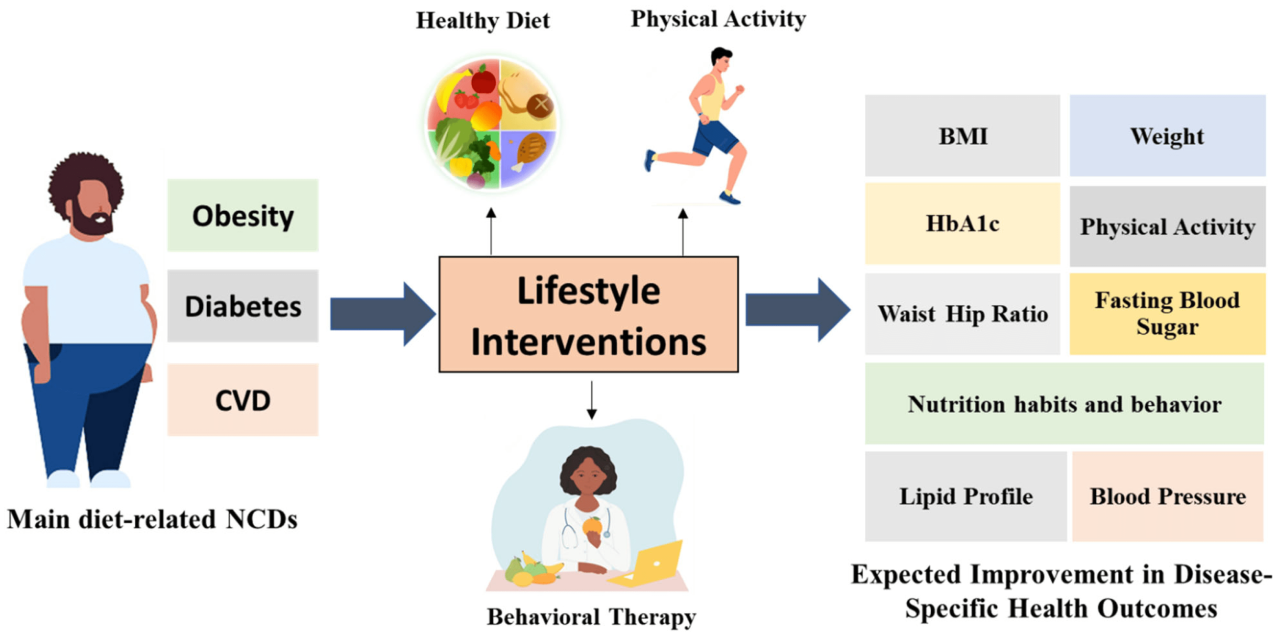
Proper nutrition plays a crucial role in maintaining a healthy lifestyle. The food we consume provides our bodies with essential nutrients that help support bodily functions, boost immunity, and prevent chronic diseases.
Balanced Diet vs. Diet High in Processed Foods
A balanced diet, rich in fruits, vegetables, whole grains, lean proteins, and healthy fats, provides the necessary vitamins, minerals, and antioxidants needed to reduce the risk of chronic diseases such as heart disease, diabetes, and cancer. On the other hand, a diet high in processed foods, sugary snacks, and unhealthy fats can lead to obesity, inflammation, and an increased risk of developing chronic conditions.
- Processed Foods: These foods are often high in added sugars, unhealthy fats, and sodium, which can contribute to weight gain, high blood pressure, and inflammation in the body. Examples include fast food, sugary beverages, and pre-packaged snacks.
- Whole Foods: Whole foods like fruits, vegetables, nuts, seeds, and legumes are packed with vitamins, minerals, fiber, and antioxidants that help lower inflammation, support gut health, and reduce the risk of chronic diseases.
Foods that Help Prevent Chronic Diseases
Eating a variety of nutrient-dense foods can help prevent chronic diseases and promote overall health. Here are some examples of foods that can play a role in disease prevention:
- Fatty Fish: Rich in omega-3 fatty acids, fatty fish like salmon, mackerel, and sardines can help reduce inflammation, lower the risk of heart disease, and improve brain health.
- Berries: Packed with antioxidants, vitamins, and fiber, berries such as blueberries, strawberries, and raspberries can help protect cells from damage, reduce inflammation, and support healthy aging.
- Leafy Greens: Vegetables like spinach, kale, and Swiss chard are loaded with vitamins, minerals, and phytonutrients that can help lower the risk of cancer, heart disease, and diabetes.
- Nuts and Seeds: Almonds, walnuts, chia seeds, and flaxseeds are excellent sources of healthy fats, fiber, and antioxidants that can help reduce inflammation, lower cholesterol levels, and support heart health.
Physical Activity
Regular physical activity plays a crucial role in preventing chronic diseases and maintaining overall health. It not only helps in controlling weight but also reduces the risk of developing conditions like heart disease, diabetes, and certain types of cancer.
Types of Exercises
- Aerobic exercise: Activities like walking, running, swimming, or cycling that increase your heart rate and improve cardiovascular health.
- Strength training: Involves using weights or resistance bands to build muscle strength and improve metabolism.
- Flexibility exercises: Stretching routines that enhance joint mobility and reduce the risk of injuries.
- Balance exercises: Helps in preventing falls, especially in older adults, by improving stability and coordination.
Tips for Incorporating Physical Activity
- Schedule regular workout sessions: Set aside specific times during the week for exercise to make it a priority.
- Find activities you enjoy: Whether it's dancing, hiking, or playing a sport, choose activities that you find fun and engaging.
- Make it social: Invite friends or family to join you for a workout to stay motivated and accountable.
- Stay active throughout the day: Take short breaks to walk, use the stairs instead of the elevator, or do quick exercises at your desk.
- Set realistic goals: Start with small targets and gradually increase the intensity and duration of your workouts.
Stress Management
Stress is a common factor in our daily lives and can have a significant impact on our overall health. Chronic stress has been linked to the development of various chronic diseases, including heart disease, diabetes, and mental health disorders. It is crucial to effectively manage stress to reduce the risk of developing these conditions and maintain a healthy lifestyle.
Strategies for Managing Stress
- Practice relaxation techniques such as deep breathing, progressive muscle relaxation, or guided imagery to reduce stress levels.
- Engage in regular physical activity, such as yoga or tai chi, to help alleviate stress and promote relaxation.
- Establish a healthy work-life balance by setting boundaries and prioritizing self-care activities.
- Seek social support from friends, family, or a therapist to help cope with stress and build resilience.
- Implement time management strategies to reduce feelings of overwhelm and improve productivity.
Impact of Mindfulness Practices
Mindfulness practices, such as meditation and yoga, have been shown to have a positive impact on overall health and well-being. These practices help individuals cultivate awareness of their thoughts and emotions, reduce stress levels, and improve mental clarity. By incorporating mindfulness into your daily routine, you can enhance your ability to cope with stress, prevent chronic diseases, and promote a healthy lifestyle.
Sleep Quality

Good quality sleep is essential for maintaining overall health and well-being. Adequate sleep plays a crucial role in preventing chronic diseases and promoting optimal functioning of the body. When we prioritize sleep and ensure we get enough restful hours each night, we are taking proactive steps towards safeguarding our health.Inadequate sleep, on the other hand, can have detrimental effects on our health.
Not getting enough quality sleep can contribute to the development of certain health conditions such as obesity, diabetes, heart disease, and even mental health disorders like depression and anxiety. Poor sleep quality can weaken the immune system, impair cognitive function, and increase the risk of accidents and injuries.
Tips for Improving Sleep Quality
- Establish a consistent sleep schedule by going to bed and waking up at the same time every day, even on weekends.
- Create a relaxing bedtime routine to signal to your body that it's time to wind down, such as reading a book, taking a warm bath, or practicing relaxation techniques.
- Make your sleep environment conducive to rest by keeping your bedroom dark, quiet, and at a comfortable temperature.
- Avoid stimulants like caffeine and electronics close to bedtime, as they can disrupt your sleep cycle.
- Engage in regular physical activity during the day, but avoid vigorous exercise close to bedtime.
- Limit daytime naps to ensure you're tired enough to fall asleep at night.
- Practice stress management techniques like meditation or deep breathing to calm your mind before bedtime.
- Consider consulting with a healthcare provider if you continue to experience poor sleep despite trying these tips.
Avoiding Harmful Substances
When it comes to preventing chronic diseases, avoiding harmful substances is crucial for maintaining overall health and well-being. Certain substances can significantly increase the risk of developing serious health conditions, so it's important to understand the effects they can have on our bodies.
Effects of Smoking
- Cigarette smoking is a leading cause of lung cancer, heart disease, and other respiratory illnesses.
- Smoking can also increase the risk of stroke, high blood pressure, and other cardiovascular problems.
- Quitting smoking can greatly reduce the risk of developing these chronic diseases and improve overall health.
Effects of Excessive Alcohol Consumption
- Excessive alcohol consumption can lead to liver disease, pancreatitis, and various types of cancer.
- Alcohol abuse can also contribute to mental health issues, impaired cognitive function, and increased risk of accidents and injuries.
- Moderating alcohol intake or abstaining completely can help prevent these health problems and improve quality of life.
Effects of Drug Abuse
- Drug abuse can have serious consequences on physical and mental health, leading to addiction, overdose, and long-term health complications.
- Common drugs of abuse include opioids, stimulants, and sedatives, each with their own set of risks and side effects.
- Seeking professional help, participating in therapy, and developing healthy coping mechanisms are essential for overcoming drug addiction and living a substance-free lifestyle.
Conclusion
As we conclude our exploration of healthy lifestyle changes to prevent chronic disease, it becomes evident that small everyday choices can lead to profound health outcomes. By embracing a holistic approach that encompasses nutrition, exercise, stress management, sleep hygiene, and substance avoidance, individuals empower themselves to proactively safeguard their health and well-being.
Remember, the journey to a healthier future begins with a single step towards positive lifestyle changes.
FAQ
How can healthy lifestyle changes prevent chronic diseases?
Healthy lifestyle changes, such as maintaining a balanced diet, regular exercise, stress management, quality sleep, and avoiding harmful substances, can collectively reduce the risk of chronic diseases by promoting overall well-being and minimizing risk factors.
What are some examples of chronic diseases that can be prevented through lifestyle modifications?
Conditions like heart disease, type 2 diabetes, obesity, hypertension, and certain types of cancer can be mitigated or prevented by adopting healthy lifestyle practices.
How does stress impact chronic disease development?
Chronic stress can contribute to the development of various health issues by triggering hormonal imbalances, inflammation, and compromising the immune system, leading to an increased susceptibility to chronic diseases.
What role does sleep quality play in preventing chronic diseases?
Good sleep quality is essential for overall health as it supports proper immune function, hormone regulation, cognitive performance, and cellular repair processes, all of which are crucial in preventing chronic diseases.
How can individuals overcome addiction to harmful substances?
Seeking professional help, engaging in support groups, developing coping mechanisms, and adopting healthy lifestyle habits can aid individuals in overcoming addiction and leading a substance-free life.

