

Exploring the world of personalized health tracking devices unveils a realm of possibilities for individuals looking to take charge of their well-being. From cutting-edge features to real-time insights, these devices offer a unique way to monitor health and fitness goals.
As we delve deeper into the benefits and functionalities of personalized health tracking devices, a new perspective on proactive health management emerges, reshaping the way we approach our wellness journey.
Benefits of personalized health tracking devices
Personalized health tracking devices are innovative tools designed to monitor an individual's health and fitness metrics in real-time. These devices offer a personalized approach to tracking health data, allowing users to gain insights into their unique health patterns and make informed decisions regarding their well-being.
Key features of personalized health tracking devices
- Customized data tracking: These devices allow users to track specific health metrics that are relevant to their individual health goals.
- Personalized recommendations: Based on the collected data, these devices provide personalized recommendations for improving health and fitness.
- Real-time monitoring: Users can track their health data in real-time, enabling immediate action based on the information received.
- Integration with smart devices: Many personalized health tracking devices can sync with smartphones and other smart devices for easy access to data.
- User-friendly interface: These devices often come with user-friendly interfaces that make it easy for individuals to navigate and understand their health data.
How personalized health tracking devices differ from traditional ones
- Customization: Personalized health tracking devices offer customization options that cater to individual needs, unlike traditional devices that provide generic data for all users.
- Insights and recommendations: Personalized devices provide insights and recommendations based on individual health data, while traditional devices may offer general guidelines.
- Focus on individual goals: Personalized devices focus on helping users achieve their specific health goals, whereas traditional devices may have a one-size-fits-all approach.
Examples of popular personalized health tracking devices in the market
- Fitbit:Known for its wide range of fitness trackers that offer personalized health insights and activity tracking.
- Garmin:Offers smartwatches and fitness trackers with personalized health monitoring features for users.
- Apple Watch:Integrates advanced health tracking capabilities with personalized recommendations for users' well-being.
Improved health monitoring
Personalized health tracking devices play a vital role in helping individuals monitor their health more effectively. These devices offer a range of benefits that contribute to better health outcomes.
Tracking Health Parameters
- Heart rate: Devices can monitor heart rate continuously, providing insights into cardiovascular health.
- Physical activity: Tracking steps, distance, and calories burned can help individuals stay active and reach their fitness goals.
- Sleep patterns: Monitoring sleep quality and duration can lead to better sleep habits and overall well-being.
- Blood pressure: Some devices can measure blood pressure, aiding in the management of hypertension.
Real-time Monitoring for Better Health Outcomes
Personalized health tracking devices offer real-time data on various health parameters, allowing individuals to make immediate adjustments to their lifestyle and habits. For example, if someone notices a sudden spike in their heart rate, they can take action to reduce stress or seek medical attention promptly.
This instant feedback can prevent potential health issues and lead to improved overall well-being.
Proactive Health Management through Personalized Insights
By analyzing the data collected by these devices, individuals can gain personalized insights into their health trends and patterns. This information can help them identify areas for improvement and take proactive measures to maintain or enhance their health. For instance, if someone notices a consistent lack of sleep, they can adjust their bedtime routine or seek help from a healthcare professional to address any underlying issues early on.
Enhanced fitness tracking
Personalized health tracking devices offer advanced fitness tracking capabilities that go beyond traditional methods. These devices are equipped with sensors and algorithms that can provide real-time data on various fitness metrics.
Fitness tracking capabilities
- Heart rate monitoring: Personalized health tracking devices can accurately measure your heart rate during exercise, helping you optimize your workout intensity.
- Calorie tracking: These devices can estimate the number of calories burned throughout the day, giving you a better understanding of your energy expenditure.
- Activity tracking: From step counting to tracking specific activities like running or cycling, these devices can monitor your daily physical movements.
Accuracy comparison
- Compared to traditional methods like manual heart rate monitoring and self-reported activity tracking, personalized health tracking devices provide more accurate and reliable data.
- By leveraging advanced technology, these devices can eliminate human error and provide precise measurements for better fitness tracking.
Personalized recommendations
Based on the fitness data collected, personalized health tracking devices can offer tailored recommendations to improve your workout routines. These recommendations can include adjusting your exercise intensity, setting achievable fitness goals, and diversifying your workout activities.
Success stories
"I used a personalized health tracking device to monitor my fitness progress, and the data helped me identify areas for improvement. With personalized recommendations, I was able to adjust my workout routine and achieve my fitness goals more efficiently."
Sarah
"Thanks to my health tracking device, I was able to track my daily activities and see how they contributed to my overall fitness. The personalized insights guided me towards a healthier lifestyle and motivated me to stay active."
John
Personalized goal setting
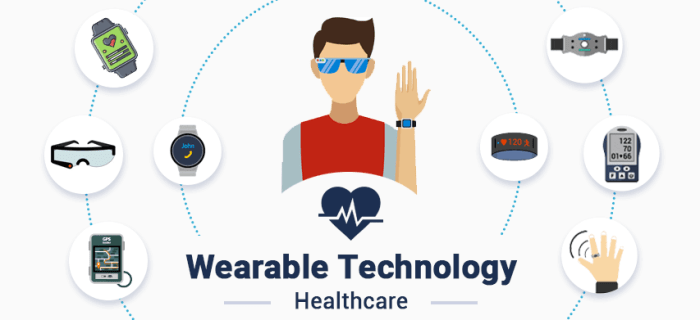
Setting personalized health goals is crucial for individuals looking to improve their overall well-being. Personalized health tracking devices play a significant role in helping users set and achieve these goals by providing tailored insights and feedback based on individual data and preferences.
Role of Data Analytics
Data analytics plays a vital role in setting realistic and achievable health targets for users. By analyzing the user's health data, these devices can provide valuable information on current health status, trends, and potential areas for improvement. Through data-driven insights, users can better understand their health needs and set goals that are specific, measurable, achievable, relevant, and time-bound (SMART).
- Utilize data insights: Users can leverage the data collected by their tracking devices to identify patterns, trends, and areas for improvement in their health habits. By understanding their current health status, users can set realistic goals that align with their needs and preferences.
- Set achievable targets: Data analytics can help users set achievable health targets by providing recommendations and benchmarks based on their progress and health data. By setting incremental goals and tracking progress over time, users can stay motivated and focused on their health objectives.
- Adapt goals based on progress: Personalized health tracking devices can adapt goals based on individual progress and preferences. By continuously monitoring health data and feedback, these devices can adjust goals to ensure they remain challenging yet attainable for users.
Maximizing Benefits
To maximize the benefits of personalized goal setting with health tracking devices, users can follow these tips:
- Regularly review progress: Regularly review your health data and progress towards your goals to track your achievements and identify areas for improvement.
- Stay consistent: Consistency is key to achieving health goals. Establish a routine for tracking your health data and stick to it to maintain progress and momentum.
- Seek support: Engage with the community or seek support from friends and family to stay motivated and accountable in reaching your health goals.
Final Summary
In conclusion, personalized health tracking devices pave the way for a more informed and empowered approach to health and fitness. By harnessing the data and insights provided by these devices, individuals can tailor their goals and routines to achieve optimal well-being.
Embrace the future of health monitoring with personalized tracking devices, and embark on a journey towards a healthier, more balanced lifestyle.
Answers to Common Questions
How do personalized health tracking devices differ from traditional ones?
Personalized health tracking devices offer advanced features like real-time data monitoring and personalized insights, whereas traditional devices focus more on basic tracking without tailored recommendations.
What are some examples of popular personalized health tracking devices in the market?
Popular personalized health tracking devices include Fitbit, Apple Watch, and Garmin fitness trackers, known for their comprehensive health monitoring capabilities.
How can personalized insights from these devices lead to proactive health management?
Personalized insights help users identify patterns in their health data, allowing them to make informed decisions, set achievable goals, and take proactive steps towards better health outcomes.
What role does data analytics play in setting realistic health targets with these devices?
Data analytics analyze user data to provide personalized recommendations, track progress, and adjust goals based on individual preferences and achievements, ensuring realistic and achievable health targets.

