


Exploring the realm of Workplace wellness programs that boost productivity, we delve into the benefits, components, strategies, and impact of these programs. This comprehensive guide aims to shed light on how organizations can enhance productivity through employee well-being initiatives.
Benefits of Workplace Wellness Programs
Implementing workplace wellness programs can bring a variety of benefits to both employees and employers. These programs not only focus on improving physical health but also mental well-being, which in turn can boost productivity, morale, and engagement in the workplace.
Improved Health and Reduced Absenteeism
- Regular exercise and healthy eating habits promoted by wellness programs can lead to improved overall health among employees.
- Lower absenteeism rates can be observed as employees are healthier and less prone to illnesses.
- Reduced healthcare costs for both employees and employers due to fewer medical visits and treatments.
Increased Productivity and Performance
- Employees who participate in wellness programs are more likely to have higher energy levels and better focus at work.
- Regular physical activity can improve cognitive function, leading to better decision-making and problem-solving skills.
- Healthy lifestyle habits can result in increased efficiency and productivity in completing tasks.
Boosted Morale and Employee Engagement
- Wellness programs show that employers care about the well-being of their employees, leading to increased loyalty and satisfaction.
- Team-building activities within wellness programs can strengthen relationships among coworkers, fostering a positive work environment.
- Employees who feel supported in their health and wellness are more likely to be engaged and motivated in their roles.
Components of Effective Workplace Wellness Programs
Workplace wellness programs are designed to enhance the overall health and well-being of employees, ultimately leading to increased productivity and satisfaction in the workplace. Let's explore the essential components that make up a successful workplace wellness program.
Physical Health Initiatives
Physical health initiatives play a crucial role in boosting overall productivity within the workplace. By promoting regular exercise, healthy eating habits, and preventive care, employees are better equipped to manage stress, maintain focus, and sustain high energy levels throughout the workday.
Implementing fitness challenges, providing nutritious snacks, and offering on-site workout facilities are just a few examples of how physical health initiatives can positively impact employee performance.
Mental Health Support
Equally important in workplace wellness programs is the focus on mental health support. Addressing mental health issues such as stress, anxiety, and burnout can significantly improve employee well-being and productivity. Providing access to counseling services, establishing mental health awareness campaigns, and offering stress management workshops are effective ways to prioritize mental health within the workplace.
By creating a supportive environment that addresses both physical and mental health needs, employers can cultivate a workforce that is happier, healthier, and more engaged.
Strategies for Implementing Workplace Wellness Programs
Implementing effective workplace wellness programs requires careful planning and execution to ensure maximum participation and impact. Here is a step-by-step guide on how organizations can successfully implement such programs:
Assess Employee Needs and Interests
- Conduct surveys or focus groups to gather feedback on what employees want in a wellness program.
- Consider the demographics and unique needs of your workforce to tailor the program accordingly.
Set Clear Goals and Objectives
- Define specific goals for the wellness program, such as reducing stress levels or promoting physical activity.
- Establish measurable objectives to track progress and evaluate the program's effectiveness.
Design a Variety of Wellness Activities
- Offer a mix of activities, including workshops, fitness challenges, mindfulness sessions, and nutrition classes.
- Cater to different interests and preferences to engage a diverse range of employees.
Promote Employee Participation
- Communicate the benefits of the wellness program and encourage employees to get involved.
- Create incentives or rewards for participation to motivate employees to take part in the activities.
Evaluate and Adjust the Program
- Regularly assess the program's impact through surveys, feedback sessions, and data analysis.
- Make adjustments based on the feedback received to improve the program and meet the evolving needs of employees.
Measuring the Impact of Workplace Wellness Programs
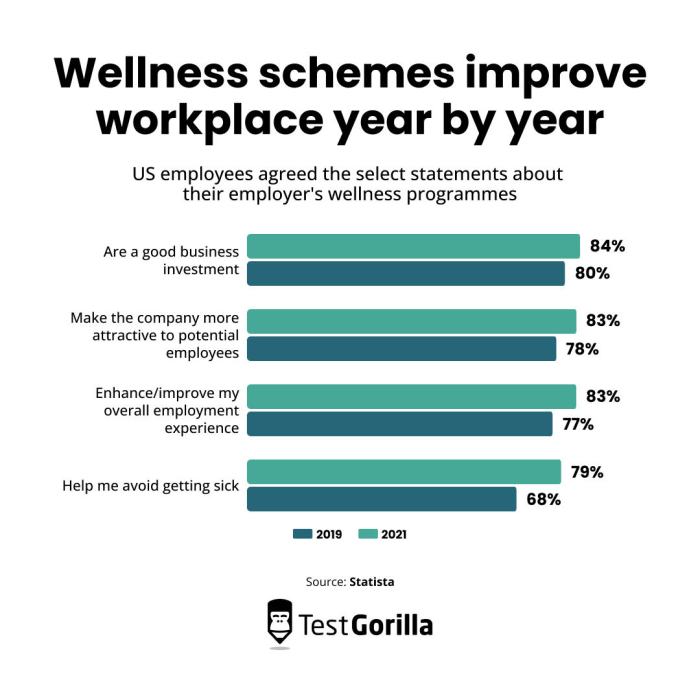
Workplace wellness programs are designed to improve the overall health and well-being of employees, ultimately leading to increased productivity and satisfaction in the workplace. In order to determine the success of these programs, it is essential to measure their impact through key metrics and data analysis.
Key Metrics for Evaluating the Success of a Workplace Wellness Program
- Employee Engagement: Measure the level of participation and engagement in wellness activities to gauge employee interest and commitment.
- Health Outcomes: Track changes in health metrics such as blood pressure, cholesterol levels, and BMI to assess the program's effectiveness in improving employee health.
- Absenteeism and Turnover Rates: Monitor absenteeism and turnover rates to see if there is a decrease as a result of the wellness program, indicating a positive impact on employee well-being.
- Productivity Metrics: Look at productivity indicators such as output, efficiency, and quality of work to determine if there is a correlation between employee well-being and increased productivity.
Correlation Between Employee Well-being and Increased Productivity
Research has shown that when employees are physically and mentally healthy, they are more engaged, focused, and motivated at work. By investing in employee well-being through wellness programs, organizations can create a positive work environment that fosters productivity and job satisfaction.
How Organizations Can Use Data and Feedback to Continuously Improve Their Wellness Initiatives
Organizations can gather data and feedback from employees through surveys, focus groups, and health assessments to identify areas for improvement in their wellness programs. By analyzing this information, organizations can make informed decisions on program adjustments, introduce new initiatives, and tailor offerings to better meet the needs and preferences of their workforce.
Final Summary
In conclusion, Workplace wellness programs are not just a trend but a crucial aspect of fostering a productive work environment. By prioritizing employee wellness, organizations can witness a significant boost in productivity and overall satisfaction. Implementing these programs is a win-win situation for both employees and employers alike.
Popular Questions
How do workplace wellness programs contribute to increased productivity?
Workplace wellness programs improve employee health and morale, leading to reduced absenteeism and higher engagement levels, ultimately resulting in increased productivity.
What are some creative ways to promote workplace wellness?
Organizations can introduce fun challenges, organize team-building activities, and provide healthy snacks to encourage employee participation in wellness programs.
How can organizations measure the success of their workplace wellness programs?
Key metrics such as employee satisfaction surveys, health assessments, and productivity data can help organizations evaluate the impact of their wellness initiatives.