

Exploring the realm of Preventive Health Checkups: What You Need to Know, this article sets the stage for a journey filled with valuable insights and practical information. As we delve into the significance of preventive screenings and the types of checkups available, readers are in for a treat of knowledge and awareness.
With a focus on preparation, understanding results, costs, and coverage, this piece aims to empower individuals to take charge of their health proactively. Let's unravel the mysteries surrounding preventive health checkups together.
Importance of Preventive Health Checkups
Regular preventive health checkups play a crucial role in maintaining overall well-being and detecting health issues early on. By undergoing routine screenings and tests, individuals can identify potential health concerns before they escalate, leading to more effective treatment and management.
Common Preventive Health Screenings
- For Children and Adolescents:
- Regular pediatric checkups for growth monitoring and vaccinations
- Dental exams and vision screenings
- Scoliosis screenings during adolescent years
- For Adults (18-65 years):
- Blood pressure and cholesterol screenings
- Annual physical exams
- Colonoscopies for colorectal cancer screening
- Mammograms for breast cancer screening in women
- For Seniors (65+ years):
- Bone density tests for osteoporosis screening
- Annual flu shots and pneumonia vaccines
- Regular eye exams for age-related vision issues
Benefits of Early Detection
Regular preventive health checkups enable early detection of various health conditions, allowing for timely intervention and treatment. Early diagnosis can significantly improve outcomes and quality of life by addressing health issues in their initial stages when they are more manageable.
Additionally, preventive screenings can help individuals make informed decisions about their lifestyle and healthcare choices to prevent future health problems.
Types of Preventive Health Checkups
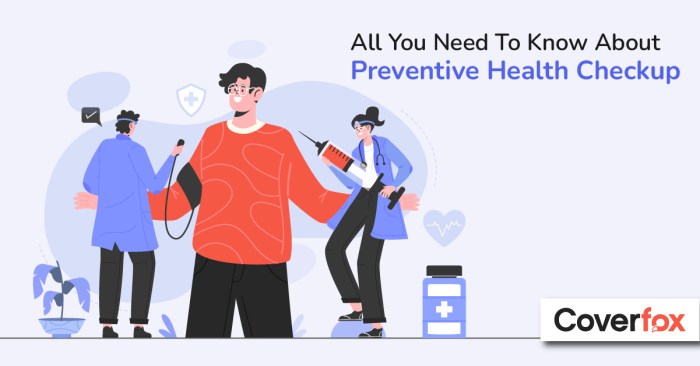
Regular preventive health checkups are essential for maintaining overall health and catching any potential issues early. There are different types of preventive health checkups that individuals can consider to stay on top of their well-being.
Routine Screenings
Routine screenings involve tests or exams that are done at regular intervals to detect any health conditions early. These screenings may include blood pressure checks, cholesterol tests, mammograms, Pap smears, and colonoscopies. They are important for identifying risk factors and addressing them before they develop into serious illnesses.
Diagnostic Tests
Diagnostic tests are more specific evaluations that are performed when a healthcare provider suspects a certain condition based on symptoms or risk factors. These tests can include blood tests, imaging studies like X-rays or MRIs, biopsies, and other procedures to confirm or rule out a diagnosis.
Diagnostic tests are crucial for accurate assessment and treatment planning.
Vaccinations
Vaccinations are preventive measures that help protect individuals from infectious diseases. Vaccines stimulate the immune system to produce antibodies against specific pathogens, reducing the risk of getting sick or spreading illnesses to others. Vaccinations are recommended for people of all ages to prevent diseases like influenza, measles, hepatitis, and more.
Specialized Preventive Checkups
Specialized preventive checkups are tailored screenings for specific health concerns or conditions. For example, individuals with a family history of heart disease may benefit from cardiac screenings like EKGs or stress tests. Similarly, individuals at risk for diabetes may undergo glucose tolerance tests or HbA1c tests to monitor their blood sugar levels.
These specialized checkups are designed to address individual health needs effectively.
How to Prepare for Preventive Health Checkups
Before going for a preventive health checkup, it is crucial to make certain preparations to ensure accurate results and a smooth process.
Checklist of Preparations
- Make a list of all medications you are currently taking, including supplements and vitamins.
- Ensure to fast for the required period before specific tests, as advised by your healthcare provider.
- Bring any relevant medical records or previous test results to the appointment.
- Wear comfortable clothing that allows easy access to your arms for blood pressure measurements and blood tests.
- Inform the healthcare provider if you have any allergies or medical conditions that may affect the tests.
Fasting Requirements and Medication Adjustments
It is essential to follow any fasting requirements provided by your healthcare provider before the checkup. This typically involves refraining from eating or drinking anything (except water) for a specific period before certain tests, such as blood glucose or cholesterol tests.
Additionally, some medications may need to be adjusted or temporarily stopped before the checkup, so it is important to consult with your healthcare provider regarding any necessary changes
Communication with Healthcare Providers
Open communication with your healthcare providers is key to a successful preventive health checkup. Be honest about your medical history, including any past illnesses, surgeries, or chronic conditions. Also, discuss any concerns or symptoms you may be experiencing, as this information can help the healthcare provider tailor the checkup to address your specific needs.
Remember, your healthcare provider is there to help you maintain good health and prevent potential issues, so don't hesitate to share any relevant details.
Understanding Preventive Health Checkup Results
When you receive the results of your preventive health checkup, it is important to understand what they mean in order to take appropriate action for your well-being. Common tests like cholesterol levels, blood pressure, and blood sugar provide valuable insights into your overall health status.
Interpreting Cholesterol Levels
- Normal total cholesterol levels should be less than 200 mg/dL.
- LDL cholesterol (bad cholesterol) levels should be below 100 mg/dL.
- HDL cholesterol (good cholesterol) levels should be above 40 mg/dL for men and 50 mg/dL for women.
Understanding Blood Pressure Results
- Ideal blood pressure is typically around 120/80 mmHg.
- High blood pressure (hypertension) is diagnosed when readings consistently exceed 140/90 mmHg.
- Low blood pressure (hypotension) is usually defined as below 90/60 mmHg.
Analyzing Blood Sugar Levels
- Fasting blood sugar levels of 100-125 mg/dL indicate prediabetes.
- Diabetes is diagnosed when fasting blood sugar levels are consistently above 126 mg/dL.
- Normal fasting blood sugar levels should be below 100 mg/dL.
It is important to consult with your healthcare provider to discuss what your specific test results mean for your health and determine the best course of action.
Cost and Coverage of Preventive Health Checkups
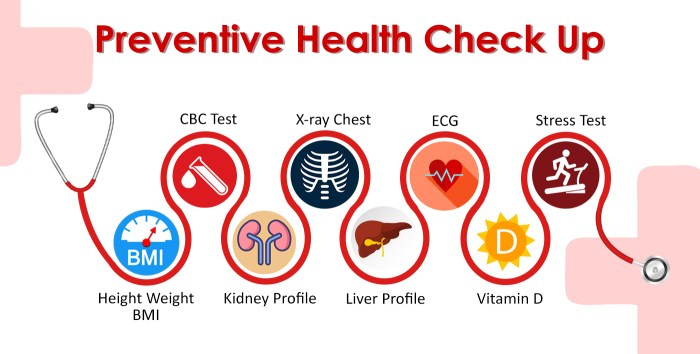
Regular preventive health checkups are essential for maintaining overall well-being, but many individuals may be concerned about the costs associated with these screenings. Understanding the typical expenses and insurance coverage for preventive care can help individuals make informed decisions about their healthcare.
Costs of Preventive Health Checkups
- Preventive health checkups can range in cost depending on the specific tests and screenings needed.
- Basic preventive services like blood pressure checks or cholesterol screenings may be covered by insurance at no additional cost.
- More comprehensive checkups that include additional tests or imaging procedures may incur out-of-pocket expenses.
- It is important to check with healthcare providers or insurance companies to understand the costs associated with specific preventive health services.
Insurance Coverage for Preventive Care
- Many insurance plans, including Medicare and private health insurance, cover preventive services at no cost to the individual.
- Under the Affordable Care Act, insurance plans are required to cover certain preventive services without charging a copayment or coinsurance.
- It is important to review insurance policies to understand which preventive services are covered and any associated costs.
Finding Affordable or Free Preventive Health Services
- Community health centers and clinics often offer affordable or free preventive health services to individuals who may not have insurance or have limited financial resources.
- Local health departments may provide information on free or low-cost screenings available in the community.
- Non-profit organizations and health advocacy groups may also offer resources for finding affordable preventive care options.
Final Thoughts
In conclusion, prioritizing preventive health checkups equips individuals with the tools to detect potential health issues early, paving the way for a healthier future. By staying informed, prepared, and proactive, one can embrace a lifestyle of wellness and vitality. Take the first step towards a healthier tomorrow by scheduling your next preventive health checkup today.
Common Queries
What age group should start getting preventive health checkups?
It is recommended to start preventive health checkups in adulthood, around the age of 18 or as advised by your healthcare provider.
Are preventive health checkups covered by insurance?
Many insurance plans cover preventive health checkups, but it's important to check with your provider to understand the extent of coverage.
How often should one undergo preventive health screenings?
The frequency of preventive health screenings can vary based on individual health factors and risk assessment. Consult your doctor for personalized recommendations.

