

Diving into Balanced lifestyle ideas to reduce inflammation, this introduction immerses readers in a unique and compelling narrative. Inflammation, a natural immune response that can turn harmful when chronic, affects many individuals worldwide. By exploring the impact of inflammation on the body and discussing practical ways to manage it, this article aims to provide valuable insights for a healthier lifestyle.
Throughout this content, we will delve into various aspects such as diet, hydration, exercise, stress management techniques, and their role in reducing inflammation.
Overview of Inflammation
Inflammation is the body's natural response to injury or infection, characterized by redness, swelling, heat, and pain. It is a vital part of the immune system's defense mechanism to protect the body and promote healing. However, chronic inflammation can have detrimental effects on overall health if not properly managed.
Common Inflammatory Conditions
- Rheumatoid Arthritis: An autoimmune disease that causes joint pain, swelling, and stiffness.
- Inflammatory Bowel Disease (IBD): Includes Crohn's disease and ulcerative colitis, leading to chronic inflammation of the digestive tract.
- Psoriasis: A skin condition characterized by red, scaly patches due to inflammation.
- Asthma: Inflammation of the airways leading to difficulty in breathing.
Importance of Managing Inflammation
Chronic inflammation has been linked to various health conditions such as heart disease, diabetes, and cancer. By adopting a balanced lifestyle that includes healthy eating, regular exercise, stress management, and adequate sleep, individuals can help reduce inflammation levels in the body.
This, in turn, can improve overall health and well-being.
Balanced Diet for Reducing Inflammation
When it comes to reducing inflammation in the body, a balanced diet plays a crucial role. Incorporating anti-inflammatory foods and nutrients can help in managing inflammation effectively.
Anti-Inflammatory Foods
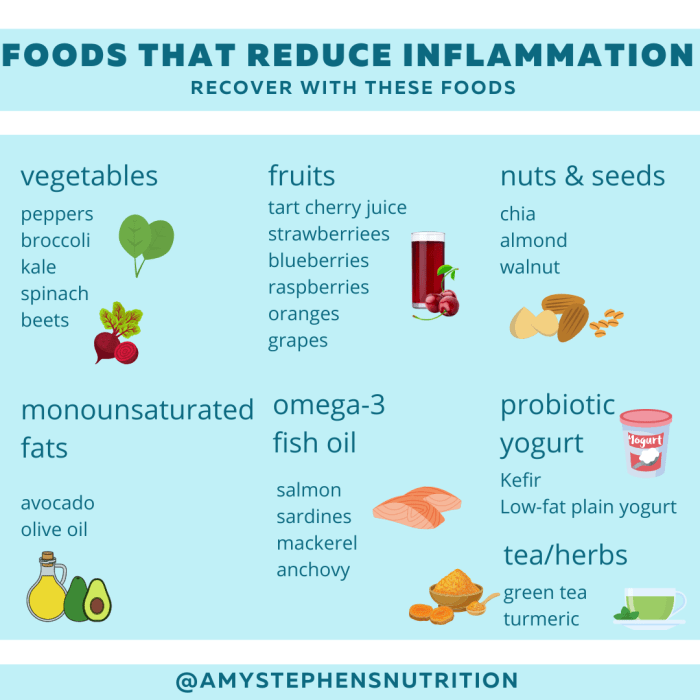
Some of the key anti-inflammatory foods that can help reduce inflammation include:
- Fatty fish like salmon, mackerel, and sardines that are rich in Omega-3 fatty acids
- Dark leafy greens such as spinach, kale, and collard greens
- Berries like blueberries, strawberries, and raspberries which are packed with antioxidants
- Nuts and seeds like almonds, walnuts, and flaxseeds that provide healthy fats
- Turmeric, a spice known for its anti-inflammatory properties
Benefits of Omega-3 Fatty Acids
Incorporating Omega-3 fatty acids into your diet can have numerous benefits in reducing inflammation. Omega-3s help balance the body's inflammatory response and can lower the levels of inflammatory markers in the blood.
Research has shown that Omega-3 fatty acids can reduce the risk of chronic diseases linked to inflammation, such as heart disease and arthritis.
Recipes for Reducing Inflammation
Here are some meal ideas and recipes that focus on reducing inflammation:
- Grilled salmon with steamed broccoli and quinoa
- Spinach and berry smoothie with chia seeds
- Turmeric-spiced lentil soup with a side of mixed greens
- Almond-crusted chicken with roasted sweet potatoes and Brussels sprouts
Importance of Hydration
Staying hydrated is crucial for reducing inflammation in the body. Proper hydration helps to flush out toxins, improve circulation, and support overall bodily functions.
Tips to Increase Daily Water Intake
- Carry a reusable water bottle with you throughout the day to remind yourself to drink water regularly.
- Set reminders on your phone or use water tracking apps to monitor your daily water intake.
- Infuse your water with fruits like lemon, cucumber, or berries for added flavor and nutrients.
- Drink a glass of water before each meal to help with digestion and prevent overeating.
Role of Herbal Teas or Infused Water
Herbal teas and infused water can also play a significant role in reducing inflammation in the body. These beverages are not only hydrating but also contain antioxidants and anti-inflammatory properties.
Exercise and Physical Activity
Regular physical activity plays a crucial role in reducing inflammation in the body. Exercise helps to lower levels of inflammatory markers and support the immune system, leading to overall better health.
Low-Impact Exercises for Individuals with Inflammation
- Swimming: This is a great low-impact exercise that is gentle on the joints while providing a full-body workout.
- Cycling: Riding a bike is another excellent option for those with inflammation as it is easy on the joints and can be done at varying intensities.
- Walking: A simple and effective way to get moving, walking can help improve circulation and reduce inflammation throughout the body.
Benefits of Yoga or Stretching Routines
- Improved Flexibility: Yoga and stretching can help improve flexibility, which in turn can reduce stiffness and inflammation in the muscles and joints.
- Stress Reduction: Both yoga and stretching are excellent for reducing stress levels, which can contribute to lower inflammation in the body.
- Better Posture: Engaging in regular yoga or stretching routines can help improve posture, reducing strain on the body and decreasing inflammation.
Stress Management Techniques
Stress is a common factor that can significantly contribute to inflammation in the body. When we experience stress, our body releases cortisol, a hormone that can trigger inflammation as a response to the perceived threat. Chronic stress can lead to long-term inflammation, which is linked to various health issues.
Strategies for Managing Stress
- Practice meditation: Taking a few minutes each day to practice mindfulness meditation can help reduce stress levels and promote relaxation.
- Deep breathing exercises: Deep breathing can help calm the nervous system and lower cortisol levels, reducing inflammation in the body.
- Engage in physical activity: Regular exercise can help release endorphins, which are natural mood boosters that can combat stress and inflammation.
Importance of Adequate Sleep
Getting enough quality sleep is crucial in managing stress and reducing inflammation. During deep sleep, the body repairs and rejuvenates itself, helping to regulate cortisol levels and promote overall well-being. Lack of sleep can lead to increased stress and inflammation, so ensuring you get 7-9 hours of restful sleep each night is essential for a balanced lifestyle.
Concluding Remarks
As we conclude our discussion on Balanced lifestyle ideas to reduce inflammation, it is evident that small lifestyle changes can have a significant impact on overall health. By incorporating anti-inflammatory foods, staying hydrated, engaging in physical activities, managing stress effectively, and prioritizing quality sleep, individuals can work towards reducing inflammation and improving their well-being in the long run.
FAQ Overview
Can stress contribute to inflammation?
Yes, stress can trigger inflammatory responses in the body, leading to various health issues if not managed properly.
What are some examples of low-impact exercises suitable for individuals with inflammation?
Swimming, walking, and cycling are great low-impact exercises that can be beneficial for individuals dealing with inflammation.
How can herbal teas help in reducing inflammation?
Herbal teas like chamomile or ginger tea have anti-inflammatory properties that can help in reducing inflammation in the body.

