

Embark on a journey exploring holistic lifestyle tips for mental and physical health, delving into practices that nurture both mind and body. This guide promises to enlighten and inspire, offering valuable insights for a balanced and harmonious life.
This guide covers a range of topics from nutrition to mindfulness, providing a holistic approach to well-being.
Benefits of a Holistic Lifestyle
Living a holistic lifestyle can have numerous benefits for both mental and physical health. This approach focuses on the interconnectedness of mind, body, and spirit, recognizing that all aspects of a person's well-being are closely linked.
Practices of a Holistic Lifestyle
- Regular exercise: Physical activity not only helps maintain a healthy body but also releases endorphins that improve mood and reduce stress.
- Mindfulness and meditation: These practices promote relaxation, reduce anxiety, and enhance mental clarity.
- Healthy nutrition: Eating a balanced diet rich in whole foods provides essential nutrients for both physical and mental health.
- Social connection: Building strong relationships and a supportive community can have a positive impact on mental well-being.
Interconnectedness of Mental and Physical Well-being
A holistic lifestyle recognizes the profound connection between mental and physical health. For example, chronic stress can lead to physical health issues such as heart disease, while negative thought patterns can contribute to mental health conditions like depression. By addressing both aspects through holistic practices, individuals can achieve overall well-being and harmony.
Nutrition and Diet
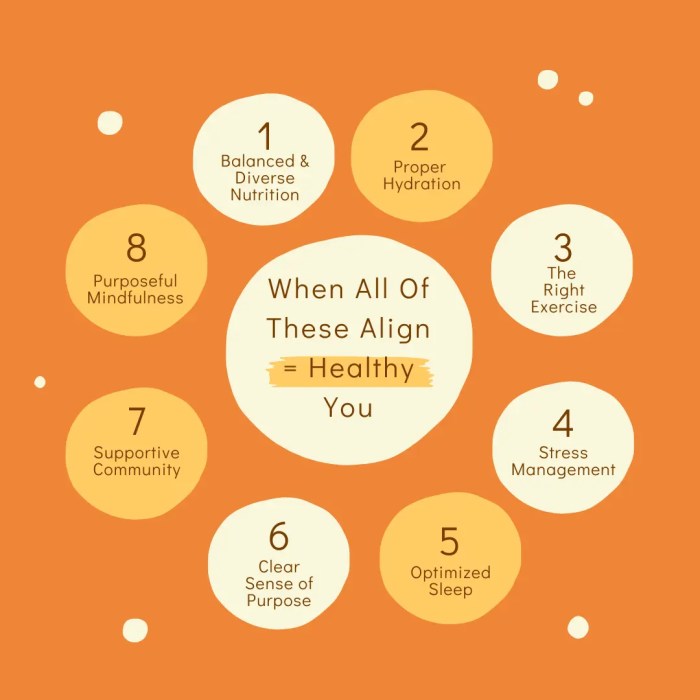
Proper nutrition plays a crucial role in maintaining both mental and physical health. The food we consume directly impacts our overall well-being, energy levels, mood, and cognitive function.
Importance of a Balanced Diet
Having a balanced diet is essential for promoting optimal health and wellness. It is important to include a variety of nutrients in your daily meals to support your body's functions and maintain proper mental clarity.
- Aim to include a variety of fruits, vegetables, whole grains, lean proteins, and healthy fats in your diet.
- Avoid processed foods, sugary snacks, and excessive caffeine, as these can lead to energy crashes and mood swings.
- Stay hydrated by drinking plenty of water throughout the day to support digestion and brain function.
Superfoods for Mental Clarity and Physical Vitality
Superfoods are nutrient-rich foods that offer exceptional health benefits. Including these superfoods in your diet can help enhance mental clarity and physical vitality.
- Blueberries: Rich in antioxidants, blueberries can help improve brain function and memory.
- Salmon: Packed with omega-3 fatty acids, salmon supports brain health and reduces inflammation in the body.
- Spinach: High in iron and vitamins, spinach enhances energy levels and supports overall health.
- Quinoa: A complete protein source, quinoa provides sustained energy and essential nutrients for the body.
Physical Activity and Exercise
Regular physical activity is essential for maintaining a holistic lifestyle as it contributes to both mental and physical well-being. Exercise not only helps in improving physical strength and stamina but also plays a crucial role in promoting mental clarity and emotional balance.
Examples of Exercises for Mental Clarity and Physical Strength
- Yoga: Combining physical postures, breathing techniques, and meditation, yoga helps in reducing stress, improving focus, and enhancing flexibility.
- Cardiovascular exercises: Activities like running, swimming, or cycling not only boost cardiovascular health but also release endorphins, the feel-good hormones, which can uplift mood and reduce anxiety.
- Strength training: Lifting weights or bodyweight exercises improve muscle strength, bone density, and overall physical fitness, which can enhance self-esteem and confidence.
- Mindful walking: Practicing mindful walking, where you focus on each step and breath, can help in grounding yourself, reducing stress, and increasing awareness of the present moment.
Relationship Between Exercise and Mental Well-being
Regular exercise has been linked to improved mental health by reducing symptoms of anxiety, depression, and stress. Physical activity stimulates the release of endorphins, dopamine, and serotonin, which are neurotransmitters responsible for regulating mood and emotions. Additionally, engaging in exercise can enhance cognitive function, memory, and overall brain health, leading to better mental clarity and focus.
Mindfulness and Stress Management
Mindfulness practices play a crucial role in maintaining a holistic lifestyle by helping individuals stay present in the moment, reduce anxiety, and improve overall well-being. By incorporating mindfulness techniques into daily routines, individuals can effectively manage stress and enhance their mental and physical health.
The Role of Mindfulness in Stress Management
Mindfulness involves focusing on the present moment without judgment, allowing individuals to observe their thoughts and emotions without getting caught up in them. This practice can help reduce stress by promoting relaxation, increasing self-awareness, and improving emotional regulation.
Tips for Managing Stress Through Mindfulness Techniques
- Practice deep breathing exercises to calm the mind and body during stressful situations.
- Engage in mindful meditation to center yourself and develop a sense of inner peace.
- Take regular breaks throughout the day to focus on your breath and bring awareness to your surroundings.
- Use mindfulness apps or guided recordings to support your practice and stay consistent.
The Benefits of Incorporating Stress-Reducing Activities Into Daily Routines
- Improved mental clarity and focus.
- Enhanced emotional resilience and coping mechanisms.
- Lowered blood pressure and reduced risk of chronic diseases.
- Better quality of sleep and overall well-being.
Sleep and Rest
Quality sleep plays a significant role in supporting both mental and physical health. It is during sleep that the body repairs and rejuvenates itself, allowing the brain to process information and emotions effectively. Poor sleep quality can lead to a range of health issues, including decreased cognitive function, mood disturbances, weakened immune system, and an increased risk of chronic conditions.
Importance of Quality Sleep
Quality sleep is essential for overall well-being in a holistic lifestyle. It helps in regulating mood, improving concentration, enhancing memory retention, and promoting physical health. Adequate sleep allows the body to rest, repair, and recharge, leading to increased energy levels and better performance throughout the day.
Tips for Improving Sleep Hygiene
- Establish a regular sleep schedule by going to bed and waking up at the same time every day.
- Create a relaxing bedtime routine to signal your body that it's time to wind down.
- Avoid stimulating activities before bed, such as screen time or heavy meals.
- Ensure your sleep environment is comfortable, dark, quiet, and at a cool temperature.
- Avoid caffeine and alcohol close to bedtime, as they can disrupt sleep patterns.
Impact of Adequate Rest on Overall Well-being
Adequate rest is vital for maintaining a healthy balance in a holistic lifestyle. It not only improves physical health but also enhances mental clarity, emotional stability, and immune function. By prioritizing quality sleep and rest, individuals can experience increased vitality, productivity, and overall well-being in their daily lives.
Social Connections and Relationships
Building and maintaining strong social connections is a crucial aspect of a holistic approach to health. These relationships can have a significant impact on both our mental and physical well-being. Cultivating positive and supportive connections with others can enhance overall happiness and quality of life.
Tips for Fostering Positive Relationships
- Communicate openly and honestly with your loved ones.
- Make time for regular social interactions, whether in person or virtually.
- Show empathy and compassion towards others.
- Engage in activities that you enjoy together.
- Be a good listener and offer support when needed.
Benefits of Strong Social Connections
- Reduced feelings of loneliness and isolation.
- Increased sense of belonging and community.
- Improved self-esteem and confidence.
- Enhanced emotional resilience in times of stress or adversity.
- Lower risk of developing mental health issues such as depression and anxiety.
Closure
In conclusion, embracing a holistic lifestyle can lead to transformative changes in your mental and physical health. By incorporating these tips into your daily routine, you can strive towards a more vibrant and fulfilling life.
Detailed FAQs
How can a holistic lifestyle benefit mental and physical health?
A holistic lifestyle focuses on the interconnectedness of mind and body, promoting overall well-being through practices that nurture both mental clarity and physical vitality.
What are some examples of superfoods that enhance mental clarity and physical vitality?
Superfoods like blueberries, salmon, and kale are known for their brain-boosting and energy-boosting properties, supporting mental and physical health.
How does regular physical activity contribute to a holistic lifestyle?
Regular exercise not only strengthens the body but also boosts mental clarity and emotional well-being, playing a crucial role in a holistic approach to health.
What role does mindfulness play in maintaining a holistic lifestyle?
Mindfulness practices help individuals manage stress, improve focus, and cultivate a deeper connection between mind and body, essential for a holistic lifestyle.
Why are social connections important in a holistic approach to health?
Strong social connections provide emotional support, reduce feelings of loneliness, and contribute to overall mental and physical well-being in a holistic lifestyle.

