

Exploring the world of telehealth platforms for global patients opens up a realm of possibilities in healthcare accessibility and convenience. From cutting-edge technologies to innovative solutions, these platforms are revolutionizing the way international patients receive medical care.
Top telehealth platforms for global patients
Telehealth platforms have revolutionized the way patients access healthcare services globally. Here are some of the top telehealth platforms catering to international patients:
1. Teladoc
Teladoc is a leading telehealth platform that offers virtual healthcare services to patients worldwide. Key features include 24/7 access to board-certified doctors, video consultations, and prescription services.
2. Doctor on Demand
Doctor on Demand is another popular telehealth platform that provides on-demand medical consultations to patients across the globe. Users can schedule video appointments with doctors and specialists for various health concerns.
3. 1mg
mg is a telehealth platform based in India that offers virtual consultations, online pharmacy services, and lab test bookings to international patients. The platform also provides health information and medication reminders.Telehealth platforms are improving access to healthcare for global patients by eliminating geographical barriers and reducing wait times for medical consultations.
Patients can receive medical advice, prescriptions, and follow-up care from the comfort of their own homes, making healthcare more accessible and convenient.When comparing the user interface of different telehealth platforms targeted towards a global audience, it is essential to consider factors such as ease of navigation, appointment scheduling, secure messaging features, and multilingual support.
A user-friendly interface with clear instructions and intuitive design can enhance the overall telehealth experience for international patients.
Teleconsultation services for international patients
Teleconsultation services play a crucial role in providing medical advice to patients seeking healthcare from abroad. These services allow global patients to connect with healthcare providers remotely, ensuring access to quality care regardless of geographical barriers.
Examples of teleconsultation services
- Leading healthcare platforms like Teladoc, Doctor on Demand, and Amwell offer teleconsultation services for international patients.
- These platforms provide virtual consultations with physicians, specialists, and other healthcare professionals through video calls, phone calls, or secure messaging.
- Patients can discuss their medical concerns, receive diagnoses, and get treatment recommendations without the need for in-person visits.
Continuity of care for global patients
Teleconsultation services ensure continuity of care for global patients by enabling them to follow up with healthcare providers, manage chronic conditions, and receive ongoing support remotely. This seamless connection between patients and providers helps monitor progress, adjust treatment plans, and address any concerns in a timely manner.
Benefits of teleconsultation in cross-border healthcare
- Teleconsultation eliminates the need for international travel, saving patients time and money while reducing the risk of exposure to infectious diseases.
- Global patients can access healthcare services from top providers worldwide, expanding their options for medical expertise and specialized care.
- Teleconsultation promotes health equity by bridging the gap between patients in underserved areas and healthcare professionals, ensuring access to quality care for all.
Multilingual support and cultural considerations
Multilingual support plays a crucial role in telehealth platforms for global patients, ensuring effective communication and understanding between healthcare providers and international patients. Cultural considerations are also essential to provide culturally sensitive care and address the unique needs of patients from diverse backgrounds.
Significance of Multilingual Support
Multilingual support in telehealth platforms allows healthcare providers to communicate with patients in their preferred language, breaking down language barriers and ensuring clear and accurate information exchange
Challenges and Solutions in Cultural Considerations
One of the challenges in telehealth consultations is navigating cultural differences and ensuring that healthcare providers are aware of and sensitive to the cultural norms and beliefs of international patients. Solutions include cultural competency training for healthcare providers, the use of interpreters or translation services, and incorporating culturally relevant practices into care plans.
Addressing Language Barriers
Telehealth platforms address language barriers for international patients through features such as real-time translation services, multilingual interfaces, and access to interpreters. These tools help facilitate communication and ensure that patients can fully participate in their healthcare journey, regardless of language proficiency.
Examples of Telehealth Platforms Providing Culturally Sensitive Care
Teladoc
Offers multilingual support and culturally competent care, with a diverse network of healthcare providers trained in cross-cultural communication.
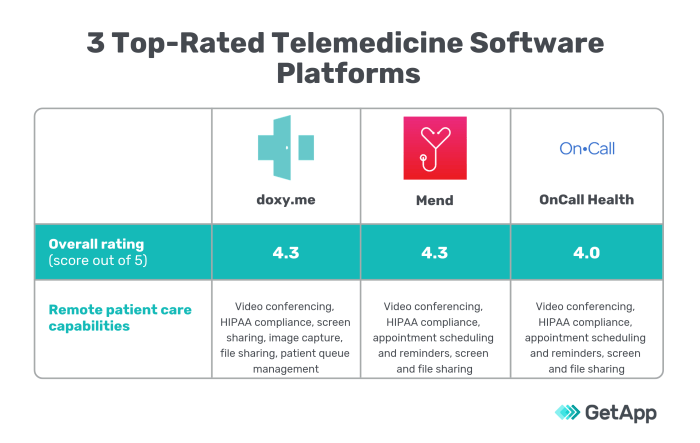
Doxy.me
Provides language interpretation services and culturally sensitive care options to meet the needs of international patients.
Amwell
Focuses on delivering inclusive and culturally appropriate telehealth services, catering to the diverse backgrounds of global patients.
Security and privacy measures in global telehealth platforms
Security and privacy are critical aspects of telehealth services, especially when catering to international patients who may have different data protection regulations in their home countries.
Encryption protocols
Top telehealth platforms utilize advanced encryption protocols such as SSL/TLS to safeguard patient data during transmission. This ensures that sensitive information remains confidential and secure.
Compliance with global data protection regulations
Telehealth platforms must adhere to various data protection regulations such as GDPR, HIPAA, and others depending on the countries they operate in. Compliance with these regulations ensures that patient data is handled responsibly and securely.
Comparison of security features
- Platform A: Offers end-to-end encryption for all communication, ensuring maximum security for patient information.
- Platform B: Implements multi-factor authentication to prevent unauthorized access to patient data.
- Platform C: Conducts regular security audits and updates to stay ahead of potential threats and vulnerabilities.
Closing Notes
As we conclude our journey through the top telehealth platforms for global patients, it becomes evident that the future of healthcare lies in the hands of these pioneering technologies. With improved access, enhanced security measures, and a focus on cultural sensitivity, these platforms are reshaping the landscape of cross-border healthcare.
Questions Often Asked
How do telehealth platforms ensure patient data security?
Top telehealth platforms use advanced encryption protocols to safeguard patient data and comply with global data protection regulations.
Do teleconsultation services provide continuity of care for global patients?
Yes, teleconsultation services ensure continuity of care by allowing international patients to consult with healthcare providers remotely.
Why is multilingual support important in telehealth platforms for global patients?
Multilingual support is crucial to overcome language barriers and provide effective healthcare services to international patients.

