

As we step into 2025, the landscape of mental health apps has transformed significantly. With a focus on well-being and technological advancements, the top mental health apps to try in 2025 promise a new level of support and innovation for users.
From personalized recommendations to cutting-edge technologies, these apps are reshaping how we approach mental wellness in the digital age.
Overview of Mental Health Apps in 2025
Mental health apps have come a long way since their inception, evolving to meet the changing needs of users. These apps have become an integral part of modern society, offering support, resources, and tools for managing mental well-being.
The importance of mental health apps in today's world cannot be understated. With the increasing prevalence of mental health issues, these apps provide accessible and convenient ways for individuals to track their mental health, practice self-care, and seek professional help when needed.
As technology continues to advance, the trend of using mental health apps is on the rise. People are turning to these apps as a proactive approach to maintaining their mental health, leveraging the power of technology to improve their overall well-being.
Emerging Technologies in Mental Health Apps
As we look into the future of mental health apps in 2025, it's evident that emerging technologies are playing a crucial role in revolutionizing the way we approach mental well-being. These technologies are not only enhancing user experience but also providing innovative solutions for mental health treatment.
AI and Machine Learning Integration
One of the latest trends in mental health apps is the integration of artificial intelligence (AI) and machine learning algorithms. These technologies are being used to personalize the user experience by analyzing patterns in behavior, mood, and activity. By leveraging AI, mental health apps can provide tailored recommendations, coping mechanisms, and interventions based on individual needs.
Virtual Reality and Augmented Reality
Virtual reality (VR) and augmented reality (AR) are also making a significant impact on mental health treatment. These immersive technologies are being utilized to create virtual environments for exposure therapy, relaxation techniques, and stress management. VR and AR can simulate real-life scenarios in a controlled setting, allowing users to practice coping strategies and emotional regulation in a safe and interactive way.
Top Features of Leading Mental Health Apps
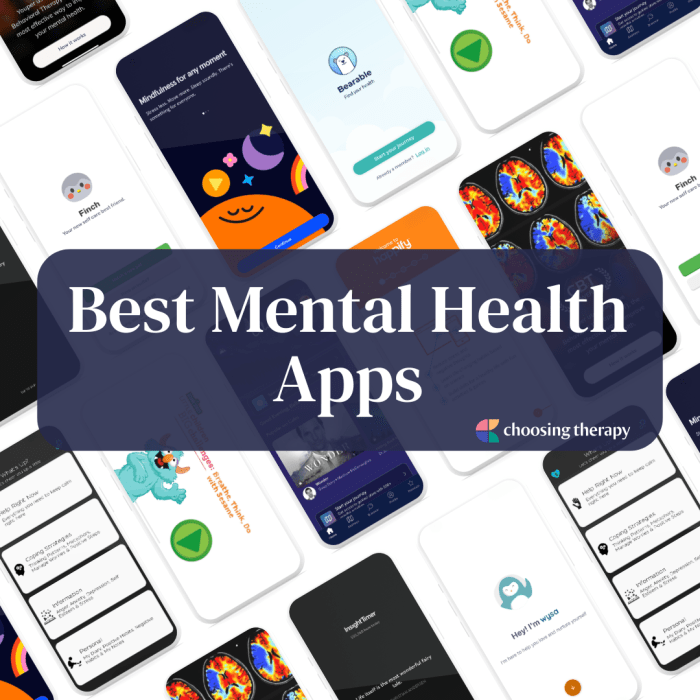
When choosing a mental health app, it's essential to look for specific features that can enhance your overall well-being and support your mental health journey. Here are some key features to consider:
Personalized Recommendations
- Apps that offer personalized recommendations based on your mental health goals and preferences can help you stay motivated and engaged.
- These recommendations may include articles, exercises, or activities tailored to your specific needs, making the app more relevant and effective for you.
Goal Tracking
- Goal tracking features allow you to set and monitor your mental health goals, such as improving sleep quality, managing stress, or practicing mindfulness.
- By tracking your progress over time, you can see how your efforts are paying off and stay motivated to continue working towards your goals.
User-Friendly Interface
- Apps with intuitive and user-friendly interfaces make it easier for you to navigate and access the features you need without feeling overwhelmed or confused.
- Clean design, clear instructions, and simple menu options can enhance your overall experience and encourage regular use of the app.
User Privacy and Data Security
When it comes to mental health apps, user privacy and data security are of utmost importance. These apps deal with sensitive information and must ensure that user data is protected at all costs.
Importance of User Privacy
Protecting user privacy in mental health apps is crucial to establish trust with users. Users need to feel safe sharing personal information about their mental health, knowing that it will be kept confidential and secure.
Data Security Measures
Developers of mental health apps implement various data security measures to safeguard user information. This includes encryption techniques, secure data storage, regular security audits, and compliance with privacy regulations like GDPR.
Ethical Considerations
- Ensuring informed consent: Users should be fully informed about how their data will be used and have the option to consent or opt-out.
- Anonymizing data: Personal information should be anonymized whenever possible to protect user identities.
- Data sharing policies: Developers should have transparent policies regarding data sharing with third parties and ensure user consent is obtained.
- User control: Users should have control over their data, including the ability to delete or export it from the app.
Case Studies and Success Stories
Using mental health apps has brought about significant improvements in the lives of many individuals. Let's take a look at some real-life examples of people benefiting from these apps and how they have positively impacted communities.
Case Study 1: Sarah’s Journey to Better Mental Health
Sarah, a busy professional struggling with anxiety and stress, decided to try a mental health app recommended by a friend. Through regular use of the app's guided meditation and mood tracking features, Sarah noticed a significant decrease in her anxiety levels and an overall improvement in her mental well-being.
She credits the app for helping her manage her emotions and cope with daily stressors effectively.
Case Study 2: John’s Experience with Online Therapy
John, a college student facing depression and loneliness, turned to an online therapy app for support. Through virtual therapy sessions and daily check-ins with a licensed therapist on the app, John was able to address his underlying issues, build coping strategies, and gradually overcome his depression.
The convenience and accessibility of the app allowed John to seek help whenever he needed it, leading to a significant improvement in his mental health.
Positive Impact on Communities
- By providing easy access to mental health resources, apps have helped break down barriers to seeking support, especially in underserved communities.
- Through community forums and peer support features, mental health apps have created a sense of belonging and connection among users facing similar challenges.
- Apps tailored to specific demographics, such as LGBTQ+ youth or veterans, have addressed unique mental health needs within these communities effectively.
Epilogue
Exploring the realm of mental health apps in 2025 unveils a world of possibilities for improving mental well-being. With a blend of technology and empathy, these apps are set to make a profound impact on how we care for our mental health.
Commonly Asked Questions
Are these mental health apps free to use?
While some mental health apps offer free versions, many may have premium features or subscription models for access to full functionality.
Can I use these apps without internet connectivity?
Most mental health apps require internet connectivity for real-time updates and data syncing. However, some features may work offline.
Are mental health apps a substitute for professional therapy?
Mental health apps can complement therapy but are not a replacement for professional help. They can provide tools and resources for self-care and monitoring.

